Public Transport Guide
Transit expenditure parameters, public-private mass rail concessions, metered fare grids, and provincial songthaew networks.
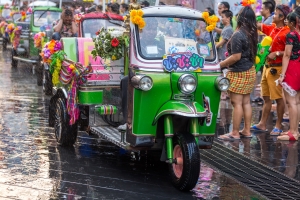
Metropolitan Mass Transit Ledger
Bangkok operates a highly synchronized public-private transport ecosystem. High-capacity electric rail lines operate via private corporate concessions, heavily regulated and insulated by state flat-fare subsidy caps.
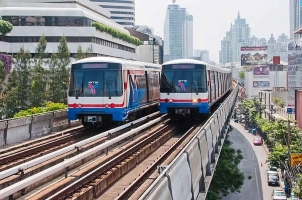
BTS / MRT Rail
Electric Mass Transit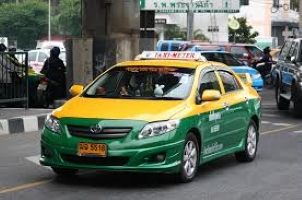
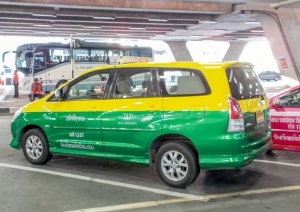
Metered Taxis
Sedan Fleet Carriers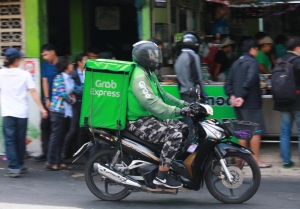
Ride-Hailing Apps
Grab / Bolt Platforms
River Commuters
Chao Phraya Ferries🏙️ Capital Subsidy Frameworks
- 🎟️ Fare Cap Adjustments: Ongoing state public funding interventions sustain a tight 20-baht flat fare limitation across targeted electric rail infrastructure nodes to suppress urban inflation [INDEX].
- 🚌 Monopoly Subcontracting: The state mass transit authority (BMTA) regulates standard urban bus lines (fares range from a low ฿10–฿20), routing core segments via private EV subcontractors like Thai Smile Bus [INDEX].
- 🛣️ Tolling Infrastructure: Metered highway taxi fares exclude expressway tolling booth parameters. Toll costs must be fronted by passengers directly during transit [INDEX].
Regional & Village Transit Networks
Moving outside primary municipal city boundaries transitions the transport matrix into loose, flexible, and decentralized frameworks. Regional commutes rely heavily on shared vehicles and regional hubs.
🚜 Local Village Shuttles
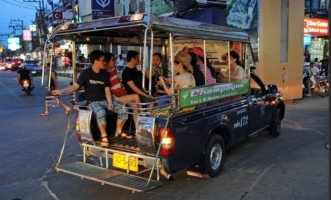
- Songthaews: ฿15 - ฿40 per route. Shared open-air pickup trucks acting as regional village hop lines.
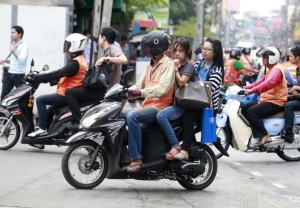
- Motorbike Taxis: ฿20 - ฿100. Highly active around rural provincial markets for direct, fast connections.
🛣️ Inter-Provincial Networks
- Regional Buses: The long-distance backbone. Standard lines up to VIP air-conditioned reclining carriers.
- Express Minivans: Rapid, high-frequency city-to-city transport networks (frequently booked via portals like 12Go).
🎛️ Local State Railway
Low-speed provincial commuter lines offer a highly affordable, classic route structure across rural territories, operating alongside ongoing national high-speed infrastructure buildouts.
🎯 Rural Transit Strategy
- 📌 High Grid Flexibility: Rural networks lack digital timetables. Commuters coordinate direct connections verbally by checking with local hub nodes.
- 👋 Active Hail Signatures: Long-distance regional buses and songthaews will not stop automatically; passengers must explicitly signal drivers on approach.
- 🔀 Hub Aggregation: Accessing isolated interior territories routinely requires routing a main coach to a provincial station, then switching to a songthaew for the final destination.
🛺 Traditional Short-Hop Transit & Fare Negotiation Matrix
Estimated baseline spending guidelines for secondary or non-metered short-hop vehicles. Fares are subject to proximity, traffic density, and proper upfront agreement rules.
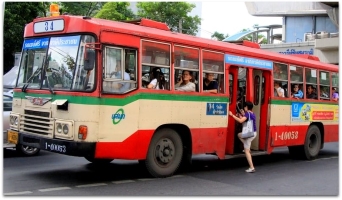
Standard Buses
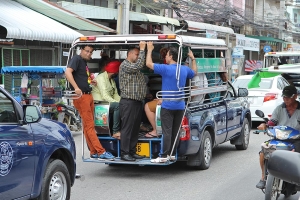
Songthaew Trucks
Traditional Tuk-Tuks
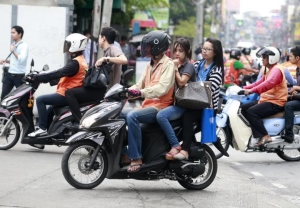
Standard Moto-Taxis
📈 Transport Capital Protection Operational Rules:
📊 Ready to Unlock the Full Financial Operating Blueprint?
You are browsing our public data matrix for . Registered platform members gain instant access to our locked, multi-tiered premium calculators covering Accommodation Leases, Visa & Immigration Compliance, and Private Health Insurance.
Join thousands of smart expats managing local cash flows efficiently.