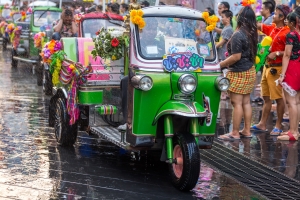
Transport
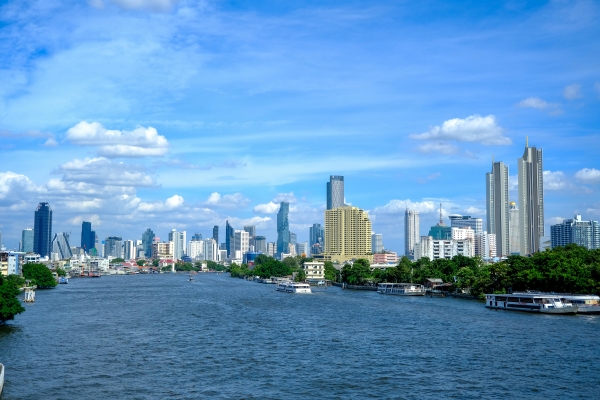
Bangkok
Bangkok's transport is a mix of private companies and government where major electric rail lines (BTS Skytrain, MRT) are operated by private companies with concessions, while the bus system (BMTA) is government-run but uses many private subcontractors; both are heavily subsidized by the Thai government through fare caps (like the 20-baht flat fare for rail) and compensation to operators to keep costs low, reduce pollution, and ease living expenses.
Key Aspects:
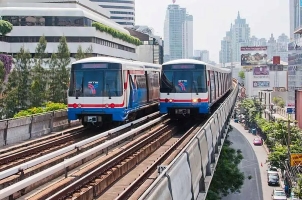
Electric Rail (BTS Skytrain & MRT): Primarily private operators (like BTS Group, Sino-Thai) run these lines under government concessions, but the government heavily subsidizes fares to maintain low prices (e.g., 20 baht flat fare). Buses (BMTA): The Bangkok Mass Transit Authority (BMTA) holds a monopoly but contracts out many routes to private firms (like Thai Smile Bus), receiving government funds for these services. Subsidies: The government actively compensates operators for revenue losses from fare caps, using public funds to support affordability and environmental goals. ** Private Operators:** Private companies are crucial, especially in rail and subcontracted buses, but they operate within a government-regulated and subsidized framework.
In essence, while private businesses run many services, the government heavily influences fares and finances the system through significant subsidies, making it a public-private partnership with strong state intervention.
Rural Areas
Transport in rural Thailand relies heavily on motorcycles, bicycles, and songthaews (shared pickup trucks) for local trips, while buses and minivans connect towns and provinces for longer distances, supplemented by local rail. Public transport is less developed than in cities, making personal vehicles or these flexible, often negotiated, shared services essential for daily life, with services varying by region.
Local & Short Distance Transport (Villages/Towns)
- Motorcycles & Bicycles: The most common personal transport for short hops, even for carrying heavy loads.
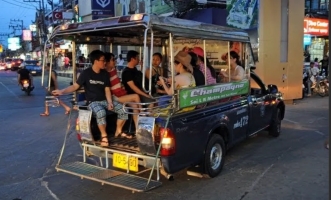
- Songthaews: Open-sided pickup trucks with two benches (like modified cattle trucks) operate fixed routes between villages and towns, or within towns, functioning as shared taxis; you flag them down and pay onboard.
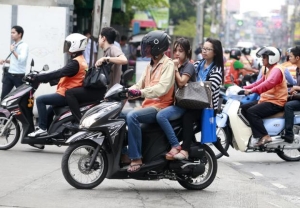
- Motorbike Taxis: Common in towns for quick, direct rides, though less common in very remote areas than in cities.
Regional & Long-Distance Transport (Towns/Provinces)
- Buses: The backbone for inter-provincial travel, with VIP (air-conditioned, reclining seats) and standard options connecting most areas, often detailed on sites like 12Go.
- Minivans: Offer frequent, quick connections between major towns, often faster than buses but sometimes riskier.
- Rail: Slower, low-speed trains serve rural routes, providing a cheaper, scenic alternative, with expansion plans for high-speed rail.
How it Works in Practice
- Flexibility is Key: Services are less structured than in cities; you often need to ask locals or look for where people are gathering.
- Flagging Down: For buses and songthaews, you must signal the driver as they approach, as they won't stop otherwise.
- Payment: Fares are usually paid on board, with songthaew/bus drivers or attendants collecting money.
- Combining Modes: Reaching remote destinations often requires using a bus to a regional hub and then a songthaew or motorbike taxi for the final leg.
BTS Skytrain
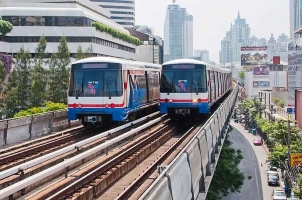
Very fast and efficient, great for avoiding traffic
Average Price Range
Buses
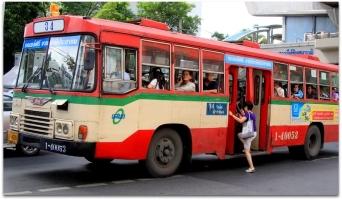
Cheapest, often 10-20 baht, but can be slow and confusing.
Size 2 x 12
Riverboats
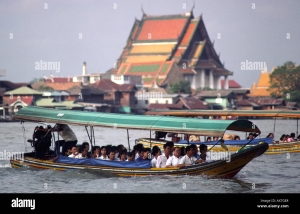
Very economical for riverside sights, starting around 15-40 baht.
1 Litre Full Fat
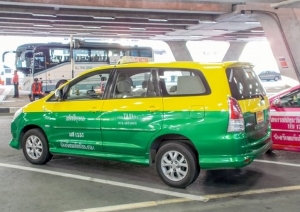
Taxis
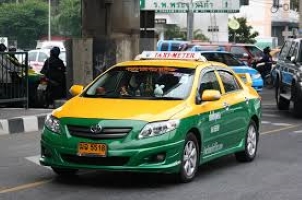
A 20km ride might cost 250-300 baht ($7-9 USD) including tolls, while shorter trips are much less (50-100 baht).
1 Loaf (16oz)
Songthaews
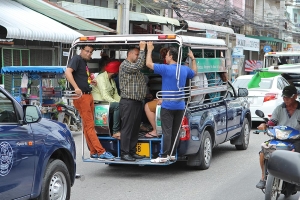
A 20km ride might cost 250-300 baht ($7-9 USD) including tolls, while shorter trips are much less (50-100 baht).
1 Loaf (16oz)
Tuk-Tuk
50-100 baht is a fair range; expect drivers to ask for 100+.
1.5 Litres
Motorbike Taxi
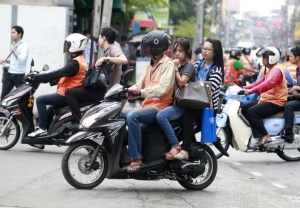
Start around 20 baht.
1lb (16oz)
Driver Apps
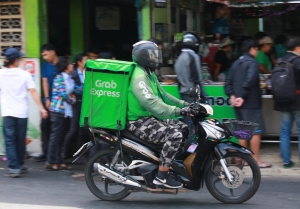
Popular for predictable, fixed prices (often comparable to or slightly more than metered taxis).
1lb (16oz)
Public transport in Thailand is very cheap (buses/trains from 10-20 baht), while taxis use meters (starting low, 20km around 250-300 baht/~$7-9 USD), and tuk-tuks/motorbike taxis are great for short hops but need haggling, typically costing 20-100 baht for short rides, though tourists often pay more initially. Always agree on a price before getting in tuk-tuks or motorbike taxis to avoid overpaying. Public Transport (Bangkok Example) • BTS Skytrain/MRT Subway: Very fast and efficient, great for avoiding traffic (e.g., 20-60 baht for short trips). • Buses: Cheapest, often 10-20 baht, but can be slow and confusing. • River Boats: Very economical for riverside sights, starting around 15-40 baht. Taxis (Metered) • Metered: Look for the meter! Fares start low (around 35 baht) and increase with distance. • Average: A 20km ride might cost 250-300 baht ($7-9 USD) including tolls, while shorter trips are much less (50-100 baht). Tuk-Tuks (Negotiate!) • Short Hops (1-2 km): 50-100 baht is a fair range; expect drivers to ask for 100+. • Longer Trips: 100-200 baht or more, depending on distance and negotiation. Motorbike Taxis (Short Distances) • Very Short Hops: Start around 20 baht. • Typical Range: 20-100 baht for most short trips within a neighborhood. Apps (Grab/Bolt/inDriver) • Popular for predictable, fixed prices (often comparable to or slightly more than metered taxis).